Proper inspection and testing
EICRs, fault finding, inspection and testing for homes, landlords and commercial premises across Hampshire, with clear reporting and straightforward advice on any remedial work needed.
What an EICR actually checks
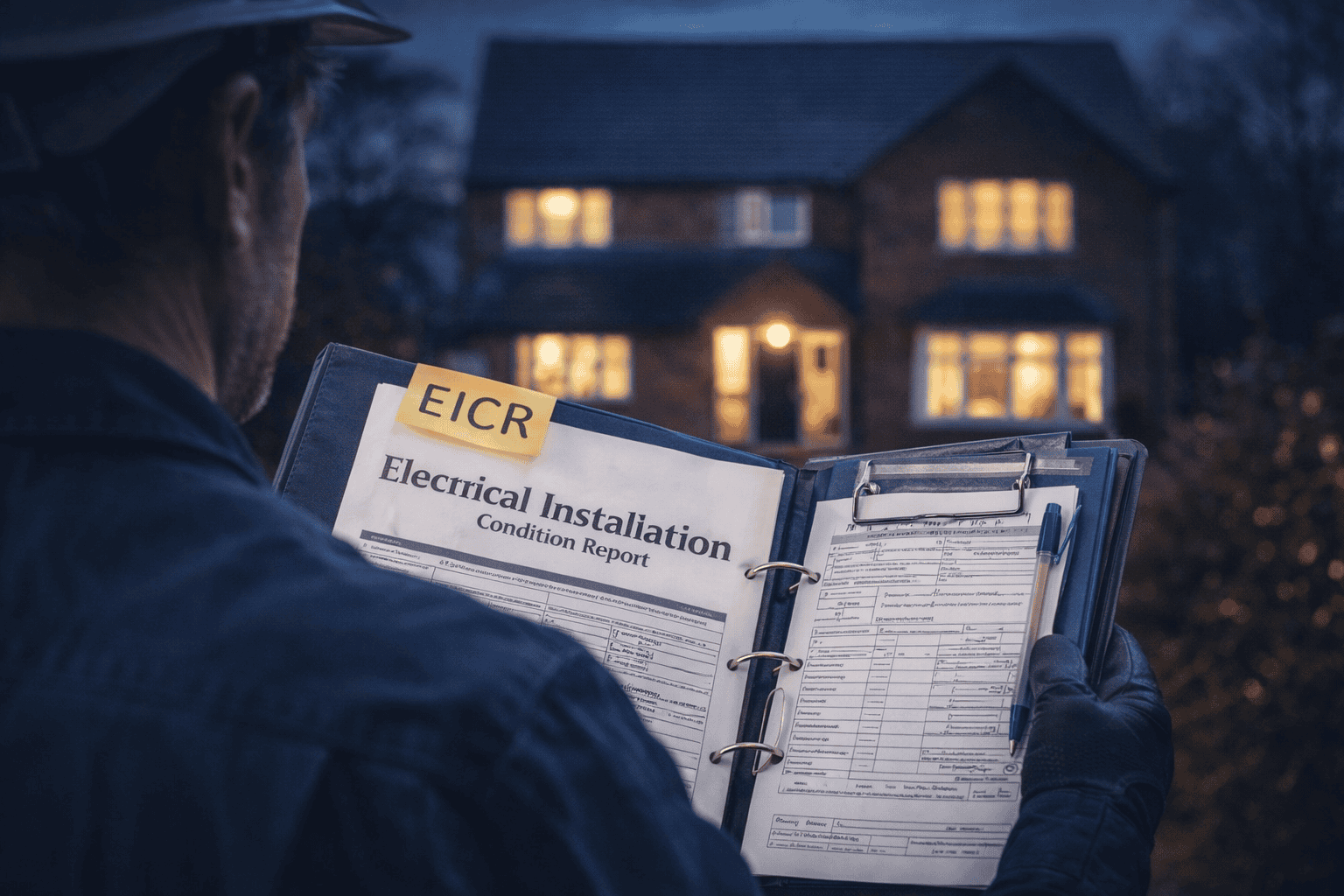
An Electrical Installation Condition Report (EICR) is a full inspection of the wiring, circuits, and electrical equipment in a property. The goal is to make sure the installation is safe, compliant, and suitable for continued use.
During an inspection Griff Electrical tests circuits, protective devices, earthing, and general installation condition. If any issues are identified, the report clearly explains what they are and whether any remedial work is recommended.
- Condition of wiring and circuits
- Consumer unit and protective devices
- Earthing and bonding arrangements
- Signs of overheating or damage
- Compliance with current regulations
Who typically needs an electrical inspection
Electrical inspections are commonly required when properties are rented, bought, upgraded, or when safety needs to be verified. Griff Electrical carries out EICRs for homeowners, landlords, and businesses across Hampshire.
Landlords
Rental properties must have a valid Electrical Installation Condition Report. The inspection confirms the installation is safe and identifies anything that needs attention.
Homeowners
If a property hasn't been inspected for many years, or you're planning electrical work, an EICR helps confirm the condition of the installation.
House buyers
An inspection can highlight hidden electrical issues before purchase, helping you understand the condition of the wiring and consumer unit.
Commercial premises
Businesses require regular testing to keep installations compliant and safe for staff and customers.
If you need an EICR carried out, Griff Electrical can arrange an inspection and provide a clear report on the condition of the installation.
What the inspection process actually involves
An EICR is not just a quick visual check. Griff Electrical inspects the installation properly, tests the electrical system, and produces a clear report showing the overall condition and any issues that need attention.
Initial inspection
The installation is checked visually first, including the consumer unit, visible wiring, accessories, and any obvious signs of damage, wear, overheating, or poor previous work.
Electrical testing
Circuits are tested to assess protection, continuity, insulation resistance, polarity, earthing, and general safety performance across the installation.
Report issued
Once the inspection is complete, you receive a report explaining the findings and highlighting anything that is unsatisfactory, potentially dangerous, or recommended for improvement.
Remedial advice
If anything needs putting right, Griff Electrical can explain the next step clearly and advise on any remedial work needed to bring the installation up to standard.
Clear reporting, not overcomplicated jargon
The aim is to give you a proper understanding of the condition of the installation, without making the process harder than it needs to be.
What the results of an EICR actually mean
Once the inspection is complete, the report will show whether the electrical installation is satisfactory or unsatisfactory. If any issues are found, they are coded so it is clear how serious they are and what needs attention.
Danger present
This means there is an immediate risk of injury and urgent action is required. Anything coded C1 needs to be made safe straight away.
Potentially dangerous
A C2 observation means the installation is not considered safe enough to leave without attention. Remedial work is needed to put the issue right.
Improvement recommended
This does not usually make the report unsatisfactory on its own, but it highlights something that should be improved to bring the installation closer to current standards.
Further investigation
This means something needs a closer look before the condition of that part of the installation can be fully confirmed.
Satisfactory or unsatisfactory?
In simple terms, reports with C1, C2, or FI observations are normally classed as unsatisfactory. Griff Electrical explains the findings clearly, so you understand what the report means and what, if anything, needs to happen next.
Fault finding and remedial work done properly
If an EICR identifies problems, the next step is not guesswork. Griff Electrical can investigate faults properly, explain what needs attention, and carry out remedial work to bring the installation back to a safe and acceptable standard.
That might mean replacing damaged accessories, correcting poor previous work, improving protection, or upgrading parts of the installation that no longer meet the required standard. The aim is always to deal with the real issue clearly and properly, without overcomplicating the process.
Typical remedial work can include
- Replacing damaged sockets, switches, and accessories
- Consumer unit improvements and protective device upgrades
- Earthing and bonding corrections
- Fault finding on unsafe or defective circuits
- Repairs to wiring affected by age, damage, or poor installation
- Electrical work brought back in line with current requirements
Need an EICR, testing, or advice on remedial work?
If you need an Electrical Installation Condition Report, want a fault investigated, or need testing carried out before further work, get in touch with Griff Electrical and send over the basics of the job.
Use the form below and keep it straightforward
A short message is enough. Tell us what kind of property it is, where the work is, and whether you need an EICR, fault finding, or follow-up remedial work.
- Property type and location
- Whether it is domestic or commercial
- If you need an EICR, testing, or fault finding
- Any timescales or known issues